The Hidden Cost of Reactive Maintenance
Equipment failure doesn't announce itself conveniently. When a critical component fails on the job site, the domino effect is immediate: halted operations, missed deadlines, escalating repair costs, and frustrated teams. For equipment owners and fleet managers, downtime translates directly to lost revenue.
The good news? Most catastrophic failures are preventable. Preventative maintenance—the practice of scheduled inspections and routine care—catches problems early, extends equipment life, and keeps your operations running smoothly.
Why Preventative Maintenance Matters
Consider the numbers:
- Emergency repairs cost 2–4× more than planned maintenance
- Unplanned downtime averages $5,000–$10,000 per hour
- Equipment with regular maintenance lasts 25–50% longer
- Preventative maintenance reduces repair costs by up to 35%
Preventative maintenance is an investment in continuity. It's the difference between controlling your maintenance budget and watching it spiral out of control.
The Four Pillars of Preventative Maintenance
1. Regular Inspections
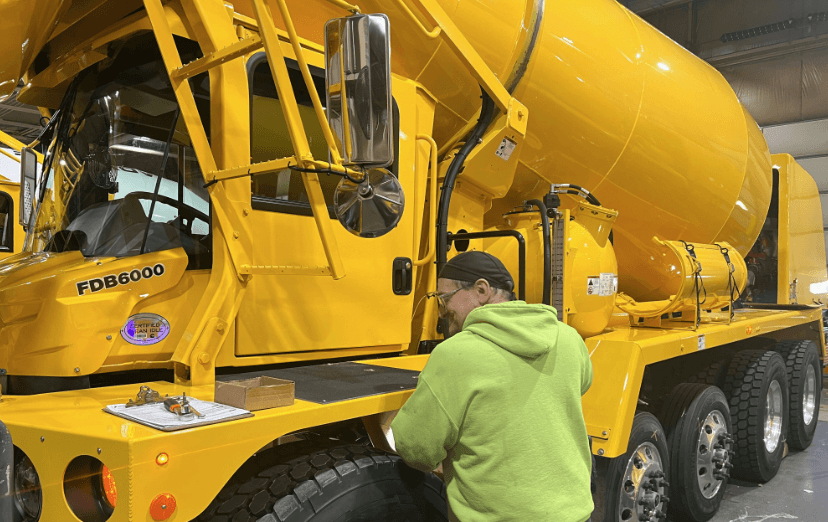
Scheduled inspections identify wear and tear before it becomes critical. A visual check of belts, hoses, fluid levels, and fasteners takes minutes but can prevent hours of downtime.
2. Fluid Management
Oil, coolant, and hydraulic fluid are the lifeblood of your equipment. Dirty or degraded fluids accelerate wear and lead to component failure. Establish a fluid change schedule and stick to it.
3. Lubrication & Bearing Care
Proper lubrication reduces friction, heat, and premature wear. Use recommended lubricants at correct intervals and monitor bearing temperatures.
4. Part Replacement & Repair
Replace wear items on schedule, not when they fail. Store genuine replacement parts so repairs don't stall waiting for inventory.
Your Maintenance Checklist
| Frequency | Task | Why It Matters |
| Frequency | Task | Why It Matters |
|---|---|---|
| Daily | Visual inspection for leaks, damage, loose bolts | Catches issues early |
| Weekly | Check fluid levels | Prevents internal damage |
| Monthly | Filter inspection and replacement | Prevents reduced efficiency |
| Seasonal | Deep cleaning, belt checks, seal inspection | Addresses seasonal stress |
| Annual | Major fluid change, certifications, wear assessment | Cumulative wear needs review |
Getting Started: Build Your Maintenance Program
- Step 1: Review your equipment manufacturer's maintenance manual
- Step 2: Create a maintenance calendar (daily, weekly, monthly, seasonal, annual)
- Step 3: Assign responsibility and document all services
- Step 4: Review quarterly and adjust as needed
The most successful operations treat maintenance as an investment, not an expense. When equipment runs reliably, teams stay productive, deadlines get met, and profitability follows.