



To use any aerial device or digger derrick effectively and efficiently, OSHA and ANSI standards require that every operator must be qualified to operate the machine. Operators need to be intimately familiar with the manufacturer’s operator’s manual and commit to following all its safety guidelines and requirements. Equipment manufacturers - like Terex - are required to provide operator’s manuals with each aerial device and digger derrick. However, it is the responsibility of the employer to verify that the manual is stored on the vehicle and each individual operator is properly trained to understand the manual information, and qualified to operate the aerial device or digger derrick in a complex working environment.
Make the Investment
To do this, employers should be encouraged to make the investment in sending employees through industry affiliated courses and certifications when a new safety standard is implemented, as well as through manufacturers’ trainings when putting a new piece of equipment into their fleet. It is also important that employers hold regular safety meetings for employees to go over the do’s and don’ts to ensure a safe worksite and to put internal policies in place and follow their safety manual with regards to expectations for use of safety gear, PPE, and equipment.
Work with the OEM
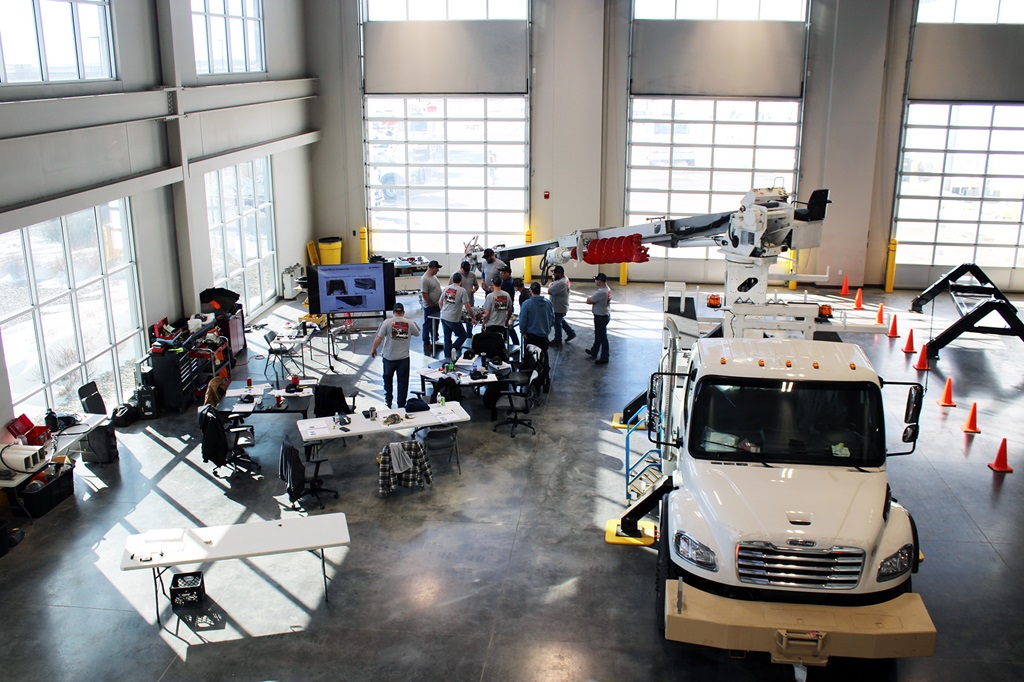
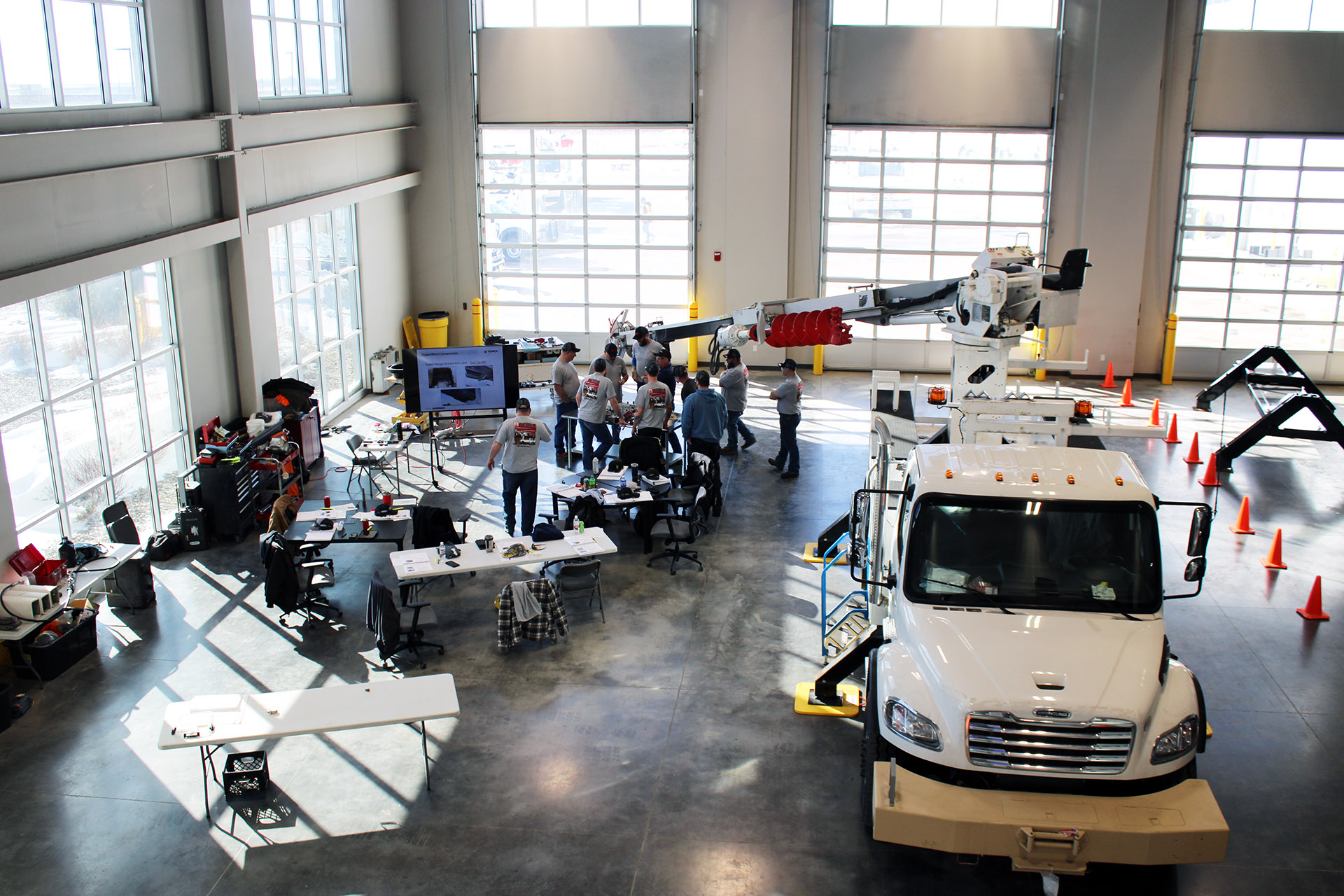
Another way employers can take advantage of training opportunities is by working with their equipment manufacturers, like Terex, to develop strong training programs based on the specific equipment they are operating and practical applications. This type of training helps operators develop the skills to assess worksite situations and make decisions based on what is going on.
Remember Your Onsite Tailgate Meeting
Onsite tailgate meetings are also a good way to keep crews informed of the conditions of a specific jobsite and expectations for the project. These sessions not only include information, such as identification of potential hazards discovered during the site survey, but also a discussion about what is required by the on-site equipment and the crew to avoid potential hazards. Every member of an on-site crew should know the location, function, and operation of all the controls, including emergency and accessory operation — it is the crews’ responsibility to know and implement their employer’s safety procedures and policies.
To find out more on the trainings that Terex offers, click here.
.tmb-425x.jpg?sfvrsn=ba8a777d_1)
.tmb-425x.jpg?sfvrsn=3acc0d38_1)