



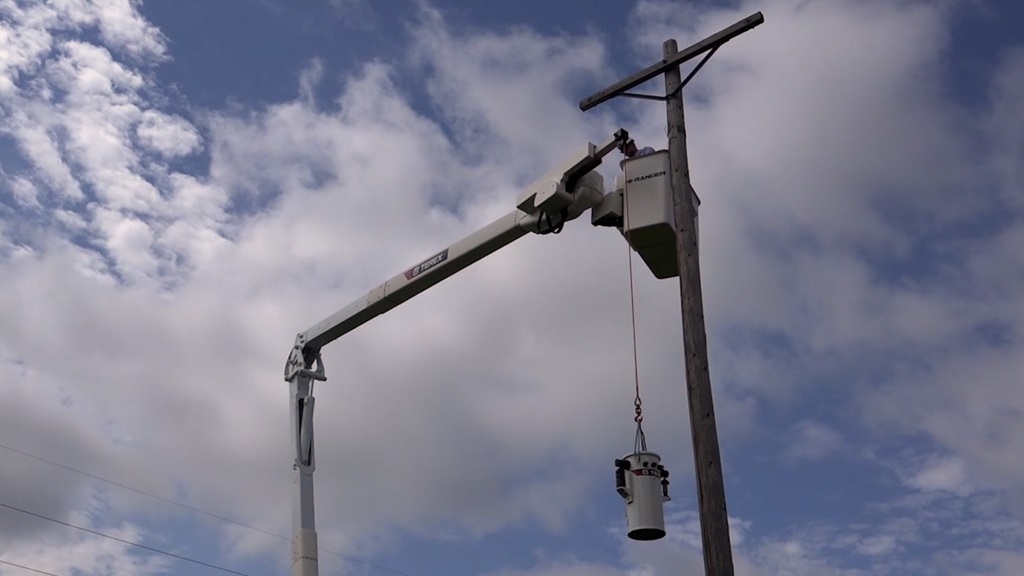
One of the important inspection items on bucket trucks are winch ropes. In addition to the daily visual inspection, the full length of the winch rope should be unspooled and inspected hand-over-hand during the annual inspection.
Synthetic rope should only be used as a winch line – not wire rope. Synthetic ropes are made from non-conductive material, but rope insulation is affected by dirt, moisture and contamination in the fibers. Do not consider the synthetic rope as insulating. The synthetic rope must be inspected daily for any deterioration, resulting in appreciable loss of strength. The daily visual inspections are important for the full length loaded during a lift, but most wear and damage will occur at the end of the rope. The following are examples of deterioration or damage:
- Excessive external roughness.
- Glossy or glazed areas, which indicates heat damage
- Cuts or a bulge are indicators of internal rope damage
- Look for flat areas, bumps, or lumps, which indicates core or internal damage
- Cut or badly frayed strands
- Areas of discoloration, which could be caused by chemical contamination
- Stiffness, which would indicate excessive dirt or grit embedded or shock load damage
- Open the strands and look for powdered fibers, which means there is internal wear
- Inspect eye connection for proper weaving and damage
If any of the above conditions are found it should be reported to a qualified person to determine if the synthetic rope should remain in service.
If there is any doubt or question about the condition of the synthetic rope - replace it! When replacing rope, make sure the correct rope type is installed evenly and snug on the drum. All ropes are not constructed the same and have different strength ratings. Eye splices at the end of the winch line must be done in strict accordance with the steps and procedures outlined by the rope manufacturer. Additional inspection and replacement criteria are available from the rope manufacturers.
.tmb-425x.jpg?sfvrsn=ba8a777d_1)
.tmb-425x.jpg?sfvrsn=3acc0d38_1)