



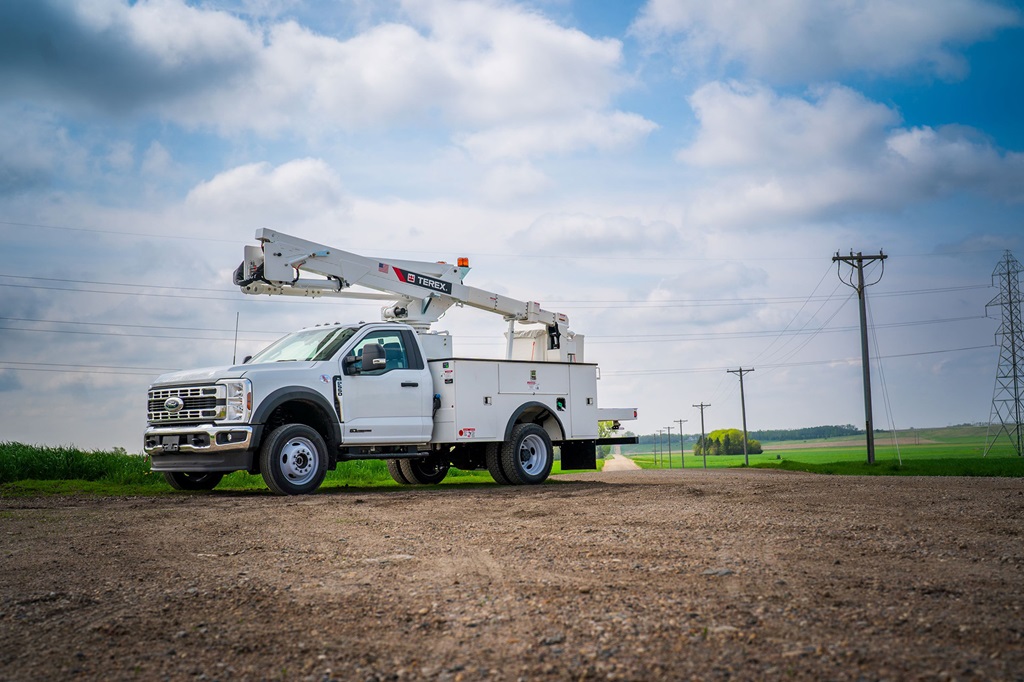
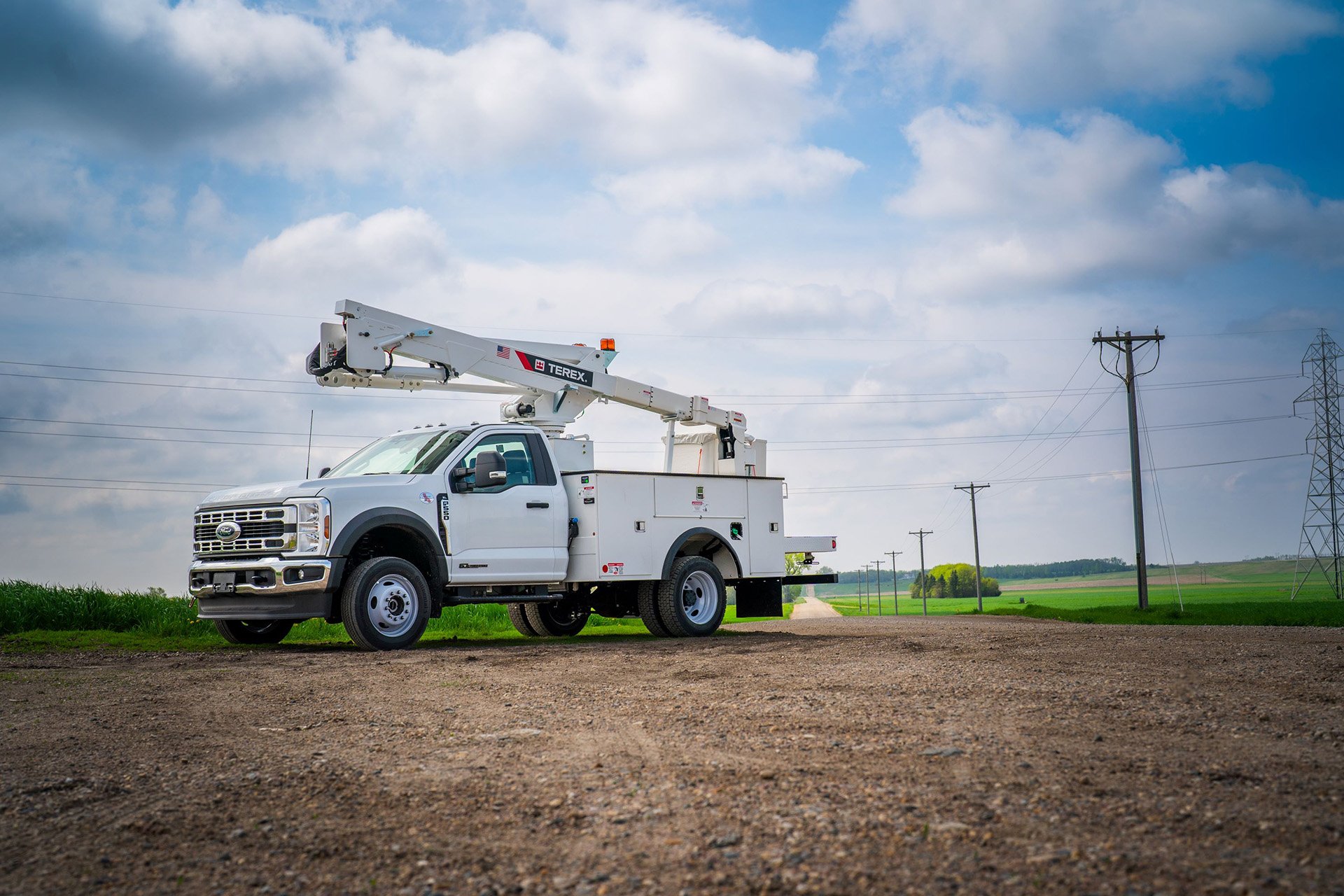
If you are new to operating a bucket truck, there are some steps you need to take before using one in the field. All new personnel assigned to an aerial device are required to become familiar with the operation of the equipment. Both operators and other personnel – like ground crew – need to learn all operating procedures and be trained until they attain a safe degree of proficiency. Here are some tips to follow as you learn more about the bucket truck you will be working with:
- Receive training in the safe operation of the machine.
- Read, understand, and follow the safety and operating recommendations contained in the machine manufacture's manuals, safety signs attached to equipment, your employer's work rules and applicable government regulations.
- Ensure the machine is operating properly and has been inspected and maintained in accordance with the manufacture’s manuals.
- Ensure that all safety signs, guards, and other safety features are in place and in proper condition.
- Refer to the load chart for rated capacities, boom angles, and load radius. Do not exceed load chart capacities.
- The ground crew must be trained to operate the aerial device in case of emergency.
Before Operation
- Perform a pre-shift inspection: Visual inspection of all structural members; booms, pins, accessories, outriggers, subframe, and attachments, for cracks and permanent deformation. Machines can be damaged by previous operators or in transit.
- The vehicle must be securely parked and stabilized before any operation is performed. If equipped with outriggers, set all outriggers.
- Raise and lower booms through a complete cycle using the lower controls daily, before entering platform, looking for any malfunction or problems. If found, shut down immediately.
- Perform controls inspection before beginning operation. Do not operate with malfunctioning controls.
- Operate all controls slowly for a smooth platform motion and make sure controls are returned to neutral after desired operation.
- Crew must use proper personal and other protective equipment.
- Never load beyond rated capacity.
- Never operate the aerial device with personnel under boom or load.
- Never move the truck until the booms and outriggers are in a properly stowed position and secured.
- Refer to the operator's manual for complete instructions. If missing, sign in to our customer portal for a copy. For the link and instructions on access, read Terex Tech Tips 50. .
Inspection and Maintenance
Learn the operator’s inspection and field maintenance requirements. Many times, simple maintenance procedures can prevent expensive breakdowns. A brief preliminary check of oil levels, operating conditions of the aerial device, and visual inspection of structure, pins, fasteners, and the hydraulic system should be made daily before the unit is put into service.
- If service is indicated, do not delay. Malfunction of one component can cause serious injury to the operator or to others if not corrected immediately.
- The operator should also know the brand and grade of oil used in the hydraulic system and where more can be obtained if additional oil is needed.
An aerial device is only a tool. The manual does not instruct users how to accomplish tasks assigned by the owner or user. Only training by your employer will instruct the operator and users how to accomplish the assigned task safely. It takes a desire to learn and a pride of accomplishment on the part of the operator to achieve the proficiency and technique of operation necessary to get the most out of this equipment. The equipment will make the job easier and more enjoyable if a high degree of proficiency is attained.
Remember – a well-trained crew is a productive crew!
.tmb-425x.jpg?sfvrsn=ba8a777d_1)
.tmb-425x.jpg?sfvrsn=3acc0d38_1)